Desalination Has No Known Negative Impacts on the Environment: True or False?

In a world where thirsting landscapes are crying out for relief, desalination has proven to be a worthy saving grace. By enabling the transformation of saline water into a usable form, this scientific process has taken center stage in the fight against dwindling water supplies. But does desalination truly hold the key to our world's water woes or does it have a hidden downside that can harm our delicate ecosystem?
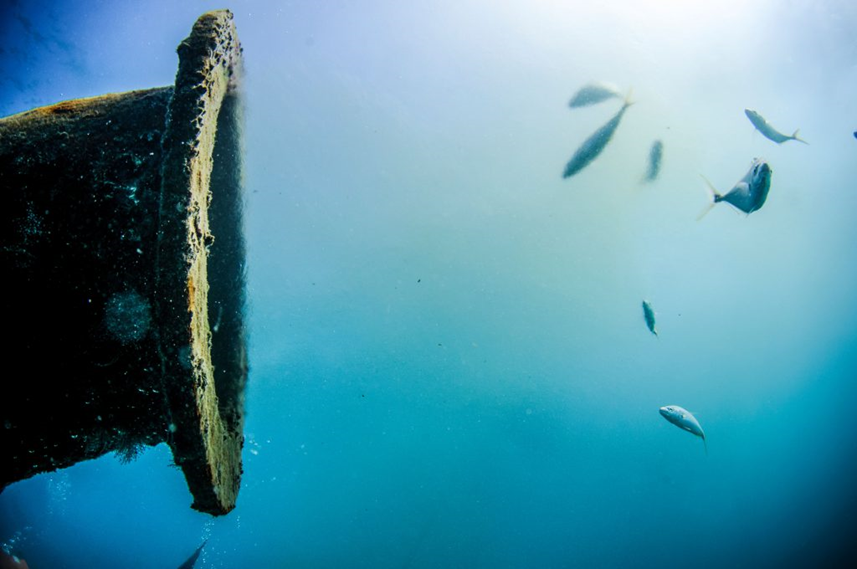
Figure 1 Environmental impact of desalination.
The Concept of Desalination.
Desalination is one of the most impactful innovations of modern times and its impact, especially in drought-prone regions with abundant seawater cannot be overstated. This technology provides a safe and relatively affordable way to draw freshwater from salty seawater by purging out harmful salts and other pollutants. Comprehensive desalination, which attempts to detach over 99.7% of the inbound salts, combines various purification techniques. First, pretreatment filters or screening equipment are deployed to condition the salty water for desalination. They extract debris and sea sand thereby warding off unnecessary woes like membrane damage and desalination equipment clogging. Actual desalination can be accomplished using numerous technologies but reverse osmosis is the standout desalination methodology. This accomplished water purification process operates on a molecular level and can comb out 99.7% of dissolved salts. Its functionality is driven by powerful membranes distinguished by little perforations, which selectively reject the crossing of constituents based on size. At the end of the membrane filtration process, the derived permeate is preserved for more advanced treatment while the subsequent brine is appropriately relinquished. The attached video should give you a clearer understanding of seawater reverse osmosis desalination, https://youtu.be/1xcGmv25rxM.
Positive Environmental Impacts of Desalination.
Some critics out there say that desalination is bad for the environment. But we should not overlook all the great things this technology actually does for us and our surroundings. It has a ton of positive impacts that we should totally acknowledge.
Conserving Freshwater Resources.
Desalination has the ability to alleviate pressure on traditional freshwater sources such as rainfall and underground reservoirs. By tapping into the vast reservoirs of seawater, desalination plants provide a sustainable alternative to dwindling freshwater supplies. This is particularly vital in regions with limited access to freshwater, such as arid coastal areas. Take the example of Israel, a country that has embraced desalination technology on a large scale. With nearly 85% of its domestic water coming from desalination plants, Israel has significantly reduced its reliance on freshwater sources. This shift has not only preserved precious freshwater reserves but has also increased the overall resilience of the country's water supply.
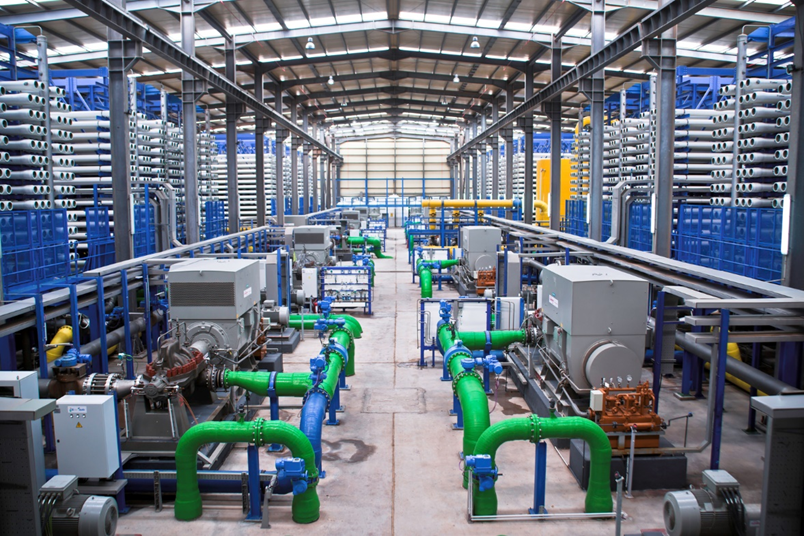
Figure 2 Large-scale desalination plant.
Mitigating the Impact of Droughts.
Droughts are becoming more frequent and severe due to climate change, posing a significant threat to agriculture, ecosystems, and communities. Desalination plays a pivotal role in mitigating the impacts of drought by providing a stable water supply during times of scarcity. In California, the Carlsbad Desalination Plant has been instrumental in tackling the state's recurring drought challenges. Since its inception, the plant has produced over 56 billion liters (15 billion gallons) of freshwater, meeting approximately 10% of the region's water needs. By diversifying the water portfolio and reducing dependence on traditional sources, seawater desalination plants offer a lifeline during drought periods, safeguarding communities and ecosystems.
Reducing Energy Consumption and Emissions.
While early desalination technologies had high energy requirements, advancements in the field have led to significant improvements in energy efficiency. Newer desalination plants employ innovative techniques like reverse osmosis, which requires less energy compared to older thermal-based processes. For instance, the Sorek reverse osmosis desalination system in Israel boasts an energy consumption rate of 3.5 kilowatt-hours per cubic meter of freshwater produced, setting a benchmark for efficiency. By reducing energy consumption, desalination plants contribute to global efforts to mitigate climate change and decrease carbon emissions.

Figure 3 High-efficiency seawater desalination machine.
Supporting Marine Ecosystems.
Concerns have been raised about the impact of desalination on marine ecosystems, particularly the intake and discharge of seawater. However, responsible desalination practices and environmental monitoring can minimize any potential adverse effects. For example, one of the largest desalination plants in the United States, located in Tampa Bay, Florida, employs a careful intake system that uses low-velocity water intakes and screens to minimize the impact on marine life. The discharge water, which contains concentrated salt and brine, is diluted and dispersed in a manner that reduces its impact on local ecosystems.
Conservation of Land Resources.
when it comes to preserving our land resources, we need to think about the way we get our fresh water. Traditional sources like reservoirs and dams require a huge chunk of land to set up and It is a massive undertaking. Saltwater desalination machines offer a nifty alternative. They can be built on smaller plots of land, which means we can manage our land resources much better. This is super helpful in crowded areas where land is already in short supply. By using desalination, we can optimize our land use and protect the precious natural habitats, agricultural land, and ecosystems that would otherwise suffer from those big water infrastructure projects. It's a win-win for both people and the environment.
Environmental Concerns of Desalination.
While desalination offers hope for meeting water demands, it is not without its environmental concerns.
Energy Consumption.
Desalination is an energy-intensive process that requires substantial amounts of electricity. Most desalination plants rely on fossil fuels, which contribute to greenhouse gas emissions and exacerbate climate change. The energy demands of desalination can strain already stretched power grids and contribute to the overall carbon footprint.
Discharge of Brine.
Brine, a byproduct of desalination, contains high levels of salt and other chemicals extracted from the water. Discharging this concentrated brine back into the ocean or freshwater bodies can harm marine ecosystems and disrupt the delicate balance of salinity. The high salt content can increase the water's density, reducing oxygen levels and impacting marine life. Additionally, the brine can contain residual chemicals used in the desalination process, which further adds to the environmental concerns.

Figure 4 Brine discharge.
Harm to Marine Life.
Seawater desalination plants draw in large volumes of seawater to extract fresh water. The intake process can inadvertently harm marine organisms, including plankton, fish larvae, and other small marine creatures. Furthermore, fish and other marine life can get trapped or injured in the intake systems. These unintended consequences can disrupt local ecosystems and have far-reaching effects on the food chain.
Mitigating the Negative Environmental Impacts of Desalination.
Embracing Technological Advancement.
Newer technologies designed to economize the power consumption of desalination systems as well as lower carbon footprint continue to emerge. Embracing such technologies can overcome a myriad of environmental concerns, consequently making desalination a friendly and more sustainable solution. Some of these technologies include; Advancements in RO membrane materials and designs which significantly improve energy efficiency and water recovery rates. This reduces the overall energy requirements for desalination. Energy Recovery Devices, which help recover and reuse energy from the brine discharge, reducing the overall energy consumption of the desalination plant. Renewable energy sources like solar and wind power, which can help reduce reliance on fossil fuels.
Brine Management.
Taking care of the concentrate leftover from desalination is important for the environment. We need to handle and get rid of this concentrated salty water in a way that doesn't harm marine life. Here are some ways to manage the salty water:
- Brine Evaporation Ponds: We can let the salty water evaporate in special ponds designed for this purpose. The ponds help concentrate the salts, so they can be used or disposed of properly. This way, we don't have to put as much salty water back into the ocean.
- Dilution: We can mix the concentrated salty water with a lot of regular seawater to make it less salty. This helps reduce its impact on the ocean. We need to be careful about where we mix it and make sure it gets diluted enough.
Site Selection and Planning.
The choice of location can significantly impact the environmental, social, and economic aspects of desalination projects. Key considerations include: Environmental Sensitivity: We need to check how important the environment is at certain sites. This includes looking at places that are protected, like nature reserves or special habitats for marine life. Discharge Considerations: When choosing a location, we have to think about how close it is to the ocean and if there are good places to release the water after it's been treated. Energy Infrastructure: We need to look at how much renewable energy is available and how close the site is to existing energy sources.

